Preparing for a trip to Asia means untangling a web of administrative requirements that vary from one country to another, and sometimes from one entry to the next. Thailand has replaced its paper arrival card with the Thailand Digital Arrival Card (TDAC), a free digital form that must be completed before each entry into the country.
The Thai Embassy in London warns travelers about fraudulent websites that charge a fee for this process. Japan, meanwhile, is preparing a similar system called JESTA for travelers who are currently visa-exempt, but it is not yet in effect.
TDAC, JESTA and digital entry requirements: what’s actually changing before you travel
Many travelers confuse an arrival authorization with the right to enter a country. Thailand’s TDAC is a pre-arrival declaration, not a visa. It does not guarantee admission, and it does not exempt you from checking the visa requirements that apply to your nationality.
This requirement applies every time you enter Thailand, not just the first time. For example, an itinerary that includes a round trip between Bangkok and Kuala Lumpur means you’ll need to complete the TDAC twice. It’s a logistical detail to factor into any multi-country itinerary.
Japan’s JESTA will add a pre-departure step for travelers from countries whose citizens can currently travel without electronic authorization. Confusing a proposed law with an existing requirement could be a costly mistake: as of today, Japan does not require visa-exempt travelers to obtain electronic authorization. Planning a trip with En Route pour l’Asie makes it easier to keep track of regulatory changes country by country.
Travel budget for Asia: balancing fixed costs and variable expenses
Airfare often takes up the largest share of the budget, but it’s the only expense you can lock in when you book. On-the-ground costs—accommodation, local transport and food—vary depending on the season, region and level of comfort you choose.
Southeast Asia (Thailand, Indonesia) offers a very different cost-to-experience ratio from Japan or South Korea. We recommend dividing your budget into three separate categories:
- Intercity transport: low-cost domestic flights, overnight trains and VIP buses. Comparing these options for each leg of your trip can lead to significant savings.
- Accommodation: hostels and guesthouses remain the norm in Southeast Asia, while Japan requires a larger accommodation budget, even for capsule hotels.
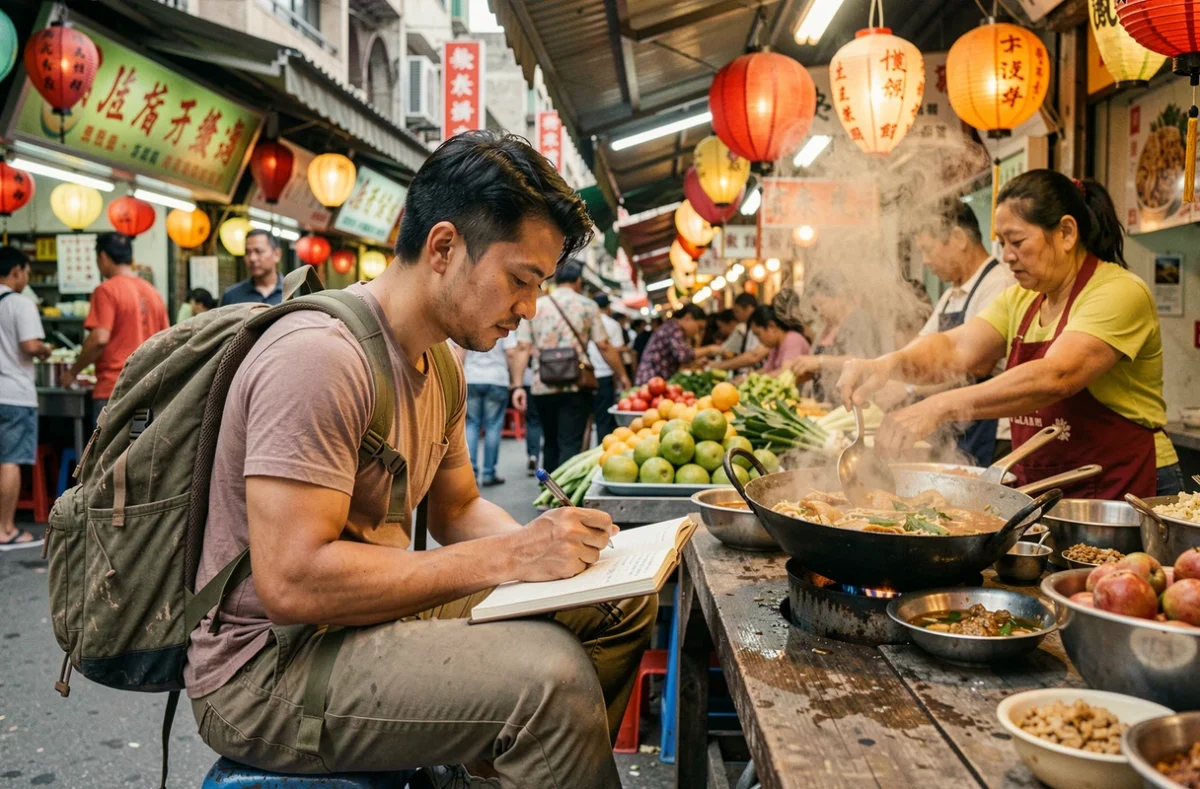
- Food and activities: eating street food in Thailand or Indonesia costs a fraction of a restaurant meal in Japan. Organized excursions (diving, trekking) are variable expenses to plan for.
Don’t base your overall budget on a continent-wide average. An itinerary combining Thailand and Japan calls for two separate budgets.
Travel insurance for Asia: what to check before you sign up
Most standard travel insurance policies cover basic medical expenses, but the devil is in the exclusions. Medical evacuation from an Indonesian island or during a trek in Nepal can cost more than many standard policies will cover in full.
Always check the repatriation limit and coverage for adventure sports. Scuba diving, riding a scooter without a local license and high-altitude trekking are common activities in Asia that appear on many insurers’ exclusion lists.
Emergency dental care and upfront payments are often overlooked. In several Asian countries, private clinics require immediate payment. Your insurer will reimburse you later, but without guaranteed direct billing, you’ll need enough cash on hand to cover the appointment.
Backpack and gear for Asia: prioritize the climate and local conditions
A main travel backpack of 40 to 50 liters is enough for most Southeast Asian itineraries. Anything larger becomes a burden on local transport (tuk-tuks, boats, motorcycle taxis).
A common mistake is packing for the departure destination without accounting for climate differences within the same trip. Going from Bangkok’s humid heat to the cooler mountains of northern Thailand or Japan in autumn calls for mid-layers.
- A compact, breathable rain jacket is a better choice than an umbrella, which is impractical in heavy tropical downpours.
- Electrical outlets vary from country to country, so a universal adapter saves you from having to buy one at every border.
- Insect repellent containing DEET or icaridin remains the recommended standard for preventing malaria and dengue in rural areas of Southeast Asia.
- A digital copy of your documents (passport, insurance policy, medical prescriptions) stored somewhere other than your main phone will help you manage if they’re lost or stolen.
Every country in Asia has its own entry requirements, climate considerations and budget realities. Planning a multi-country itinerary takes more than a generic checklist. Check the digital requirements in effect when you travel, break down your expenses by destination, and make sure your insurance covers the activities you actually plan to do.