
A furnished rental, as defined by the decree of 31 July 2015, is a property equipped with enough furniture for the tenant to live, sleep and eat there from the moment they receive the keys. This definition determines the type of lease, the applicable tax regime and the rent that can be charged.
Before signing or offering a furnished lease, the key question is not so much gross profitability as the landlord’s ability to manage recurring furniture costs, tenant turnover and changes to tax rules.
Replacing furniture and rental vacancy: two costs that rent does not always cover
Most comparisons between furnished and unfurnished rentals focus solely on the difference in rent. Furnished properties do command higher rents, but some of that extra income goes towards the initial cost of the furniture and its replacement.
Refrigerators, sofa beds and cooktops all have a limited lifespan. Each change of tenant accelerates wear and tear. Landlords need to set aside a regular replacement budget; otherwise, the property becomes less attractive and the asking rent becomes harder to justify.
Rental vacancy has a greater impact on furnished rentals than on unfurnished ones. One-year leases (or nine-month leases for students) naturally lead to more tenant turnover. Between tenants, the property sits empty, sometimes for several weeks, while the landlord continues to pay service charges and property tax. On platforms such as Maison ‘n Go, tenants looking for furnished rentals browse a wide range of listings, illustrating the competition each listing faces.
Before getting started, landlords should compare the additional monthly rent with the annualised cost of the furniture and the income lost during vacant periods. If the difference is small, a furnished rental is not automatically more profitable.

Tax regimes for furnished rentals: micro-BIC, actual expenses and their limits
Income from furnished rentals is classified as industrial and commercial profits (BIC), not rental income from property. This distinction gives landlords two tax options.
Micro-BIC: simple, subject to conditions
The micro-BIC regime applies as long as rental income remains below the current legal threshold. It provides a flat-rate allowance on declared income, simplifying bookkeeping. Landlords do not need to itemise their actual expenses.
This regime becomes less advantageous when actual expenses (renovation work, furniture, loan interest) exceed the flat-rate allowance. In that case, the actual-expenses regime is more advantageous because it allows every expense to be deducted down to the last cent.
Actual-expenses regime: profitable but demanding
The actual-expenses regime requires rigorous bookkeeping: depreciation of the furniture and property, deduction of expenses, and a specific tax return. Many landlords underestimate the time involved or the cost of hiring an accountant to meet these requirements.
A change to tax rules (a change to the micro-BIC threshold, revised allowance rates or stricter depreciation requirements) can alter the financial balance of a furnished rental investment within a few months. It is difficult for an individual landlord to anticipate these changes.
Mandatory equipment for a compliant furnished rental
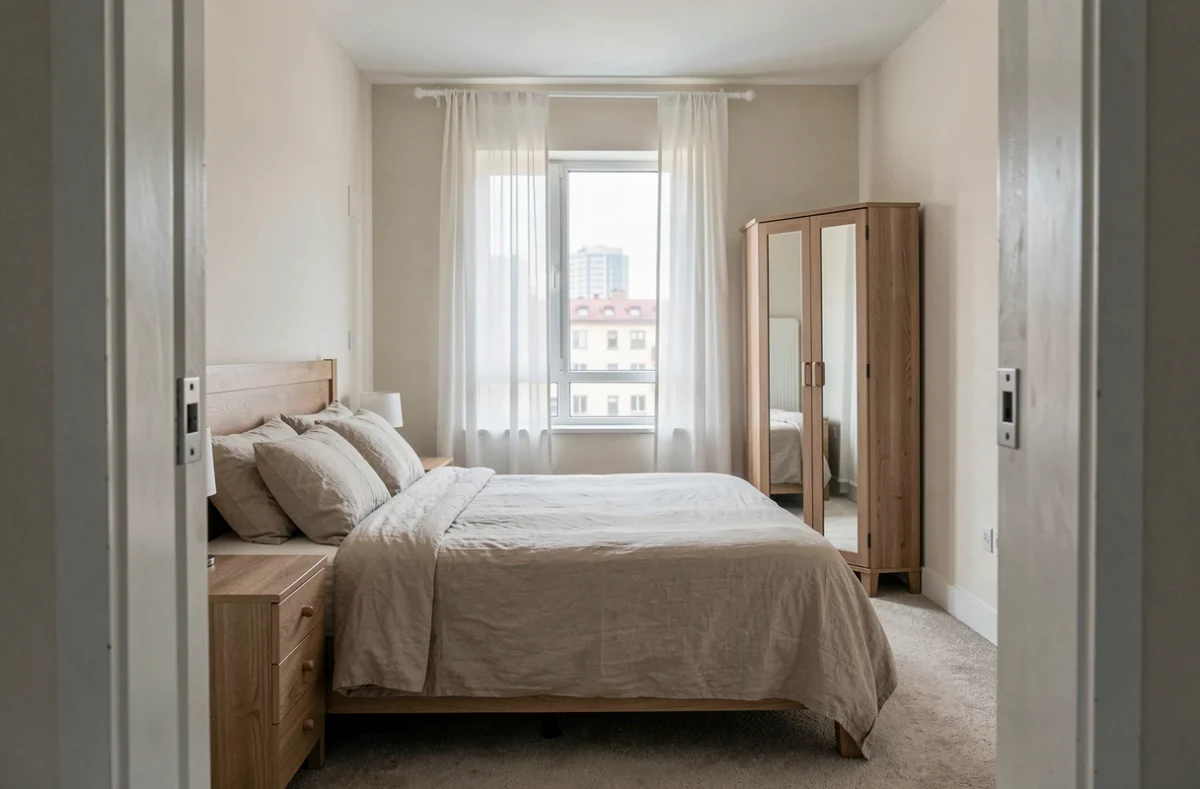
Regulations require the property to contain a list of items when the lease is signed. Omitting any of them could result in the agreement being reclassified as an unfurnished rental, with all the legal consequences this entails (a three-year lease, longer notice periods and a different tax regime).
The required equipment includes:
- Complete bedding with a duvet or blanket, cooktop, oven or microwave, refrigerator with a freezer compartment or a separate freezer
- Enough tableware and kitchen utensils for meals, a table, chairs and lighting in every room
- Storage shelves, cleaning equipment suited to the property, curtains or shutters in the bedrooms
Compliance is checked when the tenant moves in, during the move-in inspection. Every item must be listed in the inventory attached to the lease. An incomplete inventory weakens the landlord’s position in the event of a dispute.
Furnished leases and tenant rights: what differs from an unfurnished rental
A lease for a furnished property used as a primary residence lasts at least one year, compared with three years for an unfurnished rental. Tenants can give notice at any time with one month’s notice, compared with three months for an unfurnished rental (or one month in a high-demand area).
This shorter notice period benefits tenants but creates uncertainty for landlords. A tenant’s quick departure leaves little time to find a replacement, clean the property and check the condition of the furniture.
The security deposit for a furnished rental can be up to two months’ rent, excluding charges, compared with one month for an unfurnished rental. This additional amount partly offsets the risk of damage to the furniture, but will not cover a full replacement if several items are damaged.
Lease renewal and notice from the landlord
At the end of the lease, it is automatically renewed for one year. A landlord who wishes to end the lease must give three months’ notice and provide a legitimate reason: moving into the property, selling it or another serious reason. The rules are the same as for unfurnished rentals, but the shorter lease term means these deadlines come around more often.
- Nine-month student lease: no automatic renewal; the agreement ends automatically
- Mobility lease (one to ten months): for people in training, internships or temporary assignments, with no renewal or security deposit
- Standard one-year lease: automatic renewal; either party may give notice in accordance with the statutory deadlines
The type of lease should be chosen according to the profile of the intended tenants. A studio near a university is suited to a student lease. An apartment in the city centre with high-end amenities is more likely to appeal to professionals relocating for work.
Furnished rentals remain a suitable option for landlords willing to take a more hands-on approach than with an unfurnished property. Profitability depends as much on controlling furniture costs and vacancy as it does on the advertised rent. A well-drafted lease, a complete inventory and keeping up to date with current tax rules are the foundations of a furnished rental that stands the test of time.