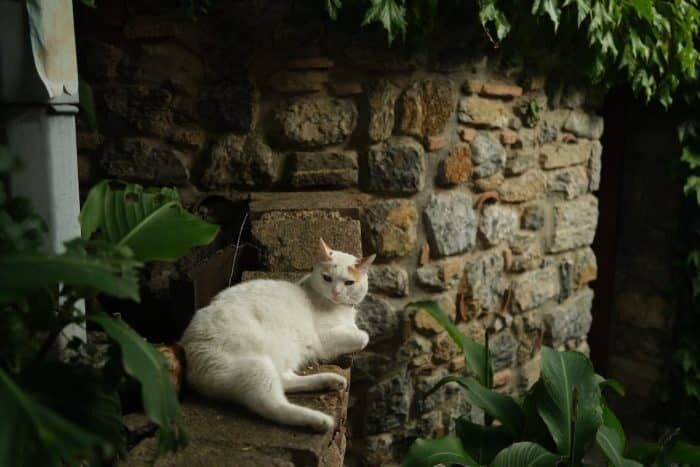
Emerging as a challenge for many garden enthusiasts, dealing with feline waste can be a daunting task. The persistent issue of managing cat fecals in one’s garden not only affects the aesthetic appeal but also interferes with the overall health of the flora. The problem escalates if one is living in a neighborhood with multiple cats. The quest for finding effective ways to tackle this issue is a story shared by many. Does this resonate with you? Worry not, as this discussion will delve into the best techniques for handling and preventing the accumulation of feline waste in your garden.
Feline Waste: The Enemy of Your Garden
Natural methods to limit feline waste are an effective way to preserve the integrity of your garden without resorting to harmful chemicals. One initial approach is to create specific areas where cats can relieve themselves, such as a designated sandbox. This will attract felines to a designated area away from your precious plants.
Another interesting alternative is the use of natural repellents that will deter cats from invading your garden. Some pets particularly dislike strong odors such as black pepper, mint, or lemon. By scattering these substances in your garden, you can create an olfactory barrier that discourages our unwanted feline friends.
In addition to these practical measures, one must rely on their responsibility regarding the proper disposal of cat feces. Encouraging them to pick up and dispose of waste properly can greatly contribute to minimizing the negative impact on our shared environment.
Effectively managing feline waste in your garden requires a holistic approach combining natural methods and owner awareness for those with a cat as a pet.
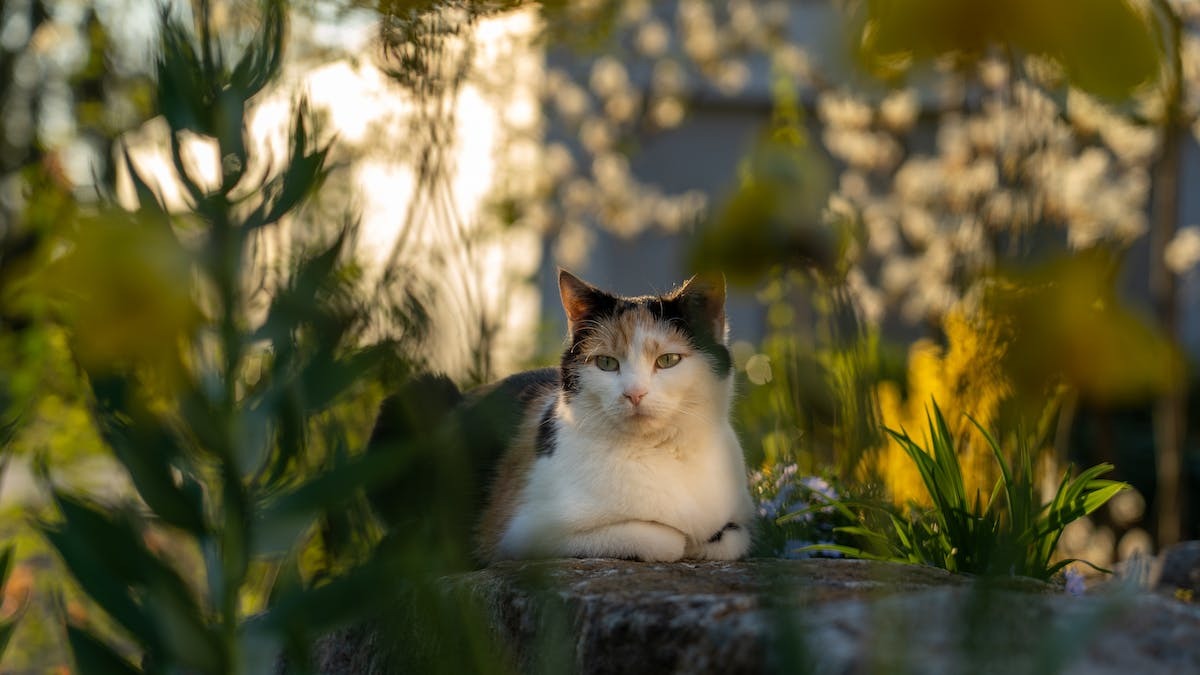
Preserving Your Garden: Natural Solutions Against Feline Waste
Many garden owners resort to repellents to deter cats from invading their green space. Repellents are designed to emit irritating or disturbing signals for felines, discouraging them from approaching.
Among the repellents available on the market, there are mainly ultrasonic ones and spray repellents. Ultrasonic repellents use sound frequencies inaudible to the human ear but disturbing for cats. They work by emitting these unpleasant sounds as soon as they detect a cat within their range. This method is not only effective but also environmentally friendly.
Spray repellents are equipped with a device that releases a jet of water when the sensor detects the presence of an unwanted feline. When the cat is sprayed, it quickly associates this unpleasant event with your garden and ultimately avoids it altogether.
It should be noted that each cat is different and may not be affected by all types of repellents. Some may develop a tolerance to aversive stimuli over time, making these methods less effective.
In this case, it may be wise to consider physical barriers such as fences specifically designed to prevent access to unwanted pets. These fences can be equipped with devices such as rollers or spikes that make climbing difficult, thus deterring cats from entering your garden.
For the more DIY-inclined, it is possible to make your own repellents from natural ingredients. For example, mixing white vinegar with water and spraying this solution on targeted areas can help repel felines. Similarly, planting lavender or rosemary can also be effective in keeping these animals away.
The use of repellents is a popular method to discourage cats from invading your garden. Whether commercial or homemade, these methods should be environmentally friendly and safe for these animals. A judicious combination of physical barriers and repellent products could very well be the key to maintaining a harmonious and peaceful green space while preserving the health and well-being of stray cats.
Repellents: An Effective Weapon to Keep Cats Away from Your Garden
Beyond preventive measures, it is crucial to emphasize the importance of awareness and adequate education for cat owners. Indeed, the effective management of feline waste in gardens cannot be achieved without mutual understanding between garden owners and cat owners.
Cat owners must be aware of the inconveniences their animals can cause when they roam freely through neighboring gardens. They need to be informed about the negative impact of feline waste on public and environmental health.
To this end, targeted awareness campaigns could be implemented to inform these owners about the best practices to adopt in order to reduce the problem. For example, it would be helpful to remind them to keep their cats confined to their own garden or to use an appropriate system such as a secure outdoor enclosure.
It would also be appropriate to mention the necessity of regular collection of feline waste by the owners themselves. This responsibility should be encouraged as it directly contributes to maintaining a healthy environment for all.
Education also plays a fundamental role in this proactive approach aimed at solving this community problem. Educational programs should include learning about the natural behavior of cats as well as their instinctive need to explore their territory. By understanding these behaviors, owners can take measures to meet their animals’ needs while minimizing their impact on neighboring gardens.
It is essential to establish a constructive dialogue between garden owners and cat owners to find common solutions. It may be beneficial to organize local meetings or forums where everyone can express their concerns and share practical advice. This open communication fosters mutual understanding and encourages cooperation in order to improve harmonious coexistence among all.
The effective management of feline waste in gardens requires a combination of preventive measures such as the judicious use of repellents and physical barriers, as well as awareness and adequate education for cat owners. Only a collective effort will enable each individual involved to act responsibly to keep our outdoor spaces clean, healthy, and pleasant for all.
Awareness: For Responsible Cat Owners
In our quest for solutions to manage feline waste in our gardens, consider carefully choosing the devices and applications that can provide valuable assistance in this area.
An interesting option is to install motion sensors that can detect the presence of a cat and trigger a deterrent mechanism. These devices often use ultrasonic sounds or jets of water to scare the animal without causing it harm.
Modern technologies also offer the possibility of using smart surveillance cameras. These cameras can be connected to your smartphone via a specific application that alerts you as soon as a cat enters your garden. You can then take the necessary measures to remove the intruder by activating a deterrent sound system.
In parallel, some manufacturers offer various innovative repellent products specifically designed to keep cats away from the garden. There are natural pellets infused with an unpleasant odor for these felines, as well as non-toxic but effective repellent sprays. Regular use of such products can help deter stray cats while preserving the local environment.
Beyond technological methods, consider managing your pets properly. Cat owners must understand that neutering or spaying their animal is not only beneficial for its health but also limits roaming and the desire to explore neighboring territories.
It may be relevant to consult professionals specialized in managing unwanted animals. Companies now offer specialized services that use animal-friendly methods while ensuring optimal cleanliness in your garden. These experts can set up various deterrent devices and take care of the regular cleaning of feline waste.
It is clear that managing feline waste in our garden is not limited to a single approach but requires a coherent set of preventive, educational, and technological measures. By combining these different strategies, we can hope to achieve a harmonious balance between our lush gardens and animal welfare.