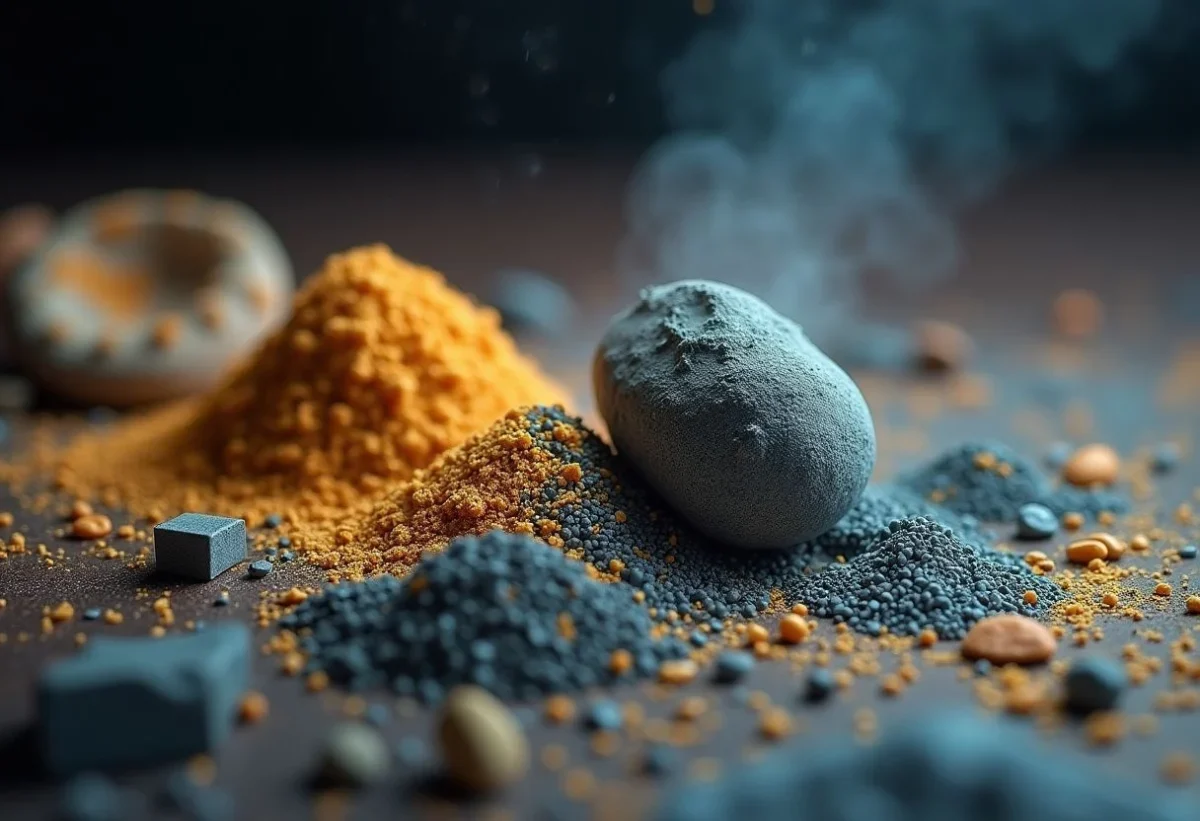
In the world of materials, some elements may seem almost insignificant but play a crucial role in shaping the world around us. Among these, the abrasive stands out for its utility and versatility. Without this tool, surfaces would remain rough and imperfect, everyday objects would lack finesse and finish. For centuries, humanity has learned to harness the natural and artificial properties of abrasives to polish, smooth, and sculpt raw material.
Abrasives, multi-century tools
From ancient times to contemporary advancements, the use of abrasives has radically evolved. Each of these historical stages offers us a new perspective on their impact on society.
- Prehistory: use of natural stones like flint to shape tools and weapons.
- Antiquity: discovery of the first sandstone wheels for sharpening and polishing.
- Industrial Revolution: introduction of new manufacturing techniques and synthetic abrasive materials.
- Modern Era: technological innovations leading to high-precision abrasives used in the aerospace and electronics industries.
The different types of abrasives and their specific uses
A diverse world of abrasive materials awaits exploration, each having its own application and effectiveness. Understanding this diversity allows for optimal use in industrial and artisanal processes.
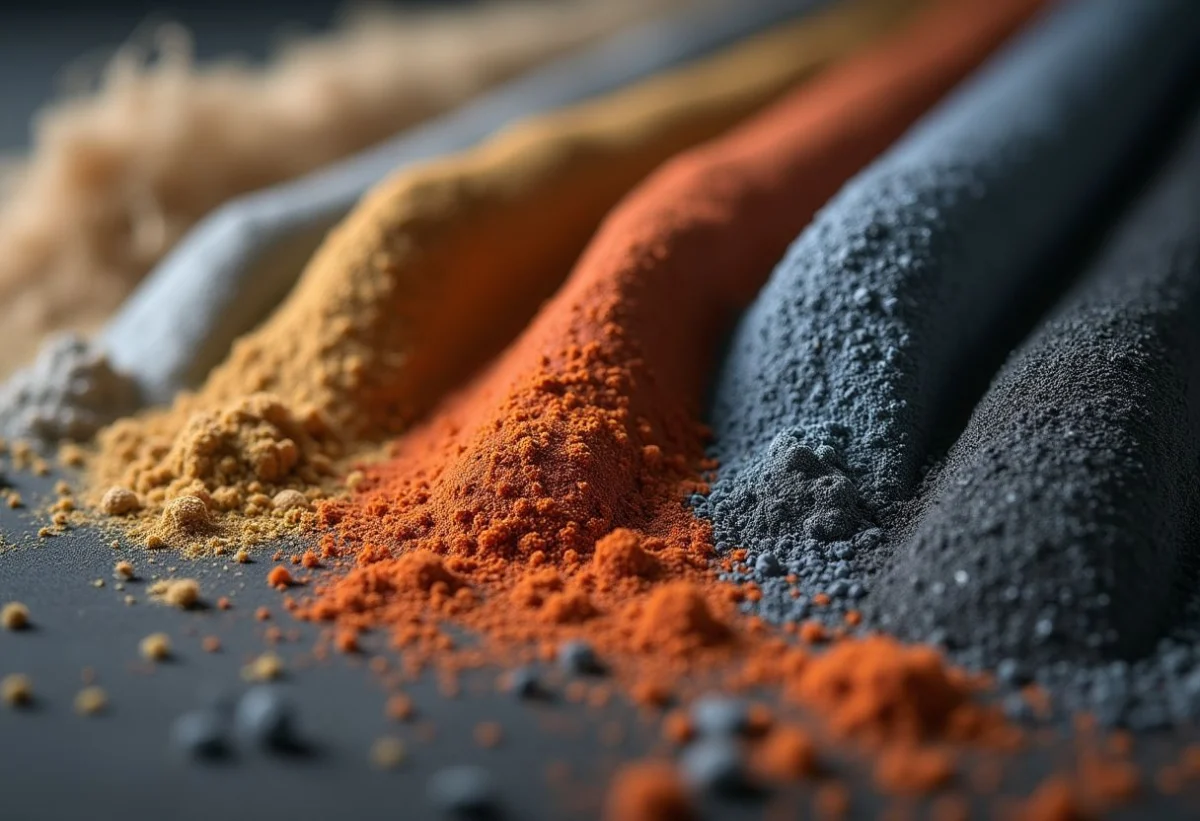
Natural abrasives like corundum and diamond have long been used for their exceptional properties. Corundum, for example, remains popular today for polishing precious stones. Meanwhile, artificial abrasives such as silicon carbide and aluminum oxide have been developed to meet the specific needs of modern industry. Each type of abrasive has a unique field of application, whether it be cutting metals, polishing delicate surfaces, or sculpting hard materials.
Technological innovations in the field of abrasives
In the age of technological progress, the abrasive sector is not left behind. Recent advancements have transformed ancient practices into high-tech processes.
Additive manufacturing technologies have enabled the creation of abrasives with complex shapes, increasing their effectiveness while reducing waste. Furthermore, specialized coatings on abrasive grains enhance their durability and performance on difficult-to-work materials. Automation, another pillar of innovation, has made it possible to integrate abrasives into robotic systems for precision applications in the automotive and aerospace industries. The rise of composite materials has also stimulated the development of abrasives capable of handling these new materials with the same precision as traditional metals.
Environmental impact and sustainable initiatives
In our quest for more sustainable development, the abrasive industry is turning towards more environmentally friendly practices. This transition is not only necessary but also possible thanks to innovation and research.
Efforts are underway to replace abrasive materials based on potentially toxic substances with eco-friendly alternatives. Waste management from abrasive processes has also become a major area for improvement. Recycling abrasive particles and optimizing processes to consume less energy demonstrate a commitment to more sustainable production. Innovative products designed to be reusable or biodegradable help reduce the ecological footprint of the industry.
From the flint stone of early humans to today’s cutting-edge technologies, the abrasive has proven to be an indispensable tool in our quest for perfection. Its evolution reflects not only technological advancements but also a growing awareness of our environmental impact.